Latent
Heritage
隐脉 · Dreamed in China
Not how it looks.
How it is made.不看外观,看做法。
We break Chinese crafts down into their techniques. From these, AI builds new designs nobody has seen.我们把中国手工艺拆解成一项项技法,人工智能再用这些技法生成前所未见的新设计。
Not how it looks.
How it is made.不看外观,看做法。
We break Chinese crafts down into their techniques. From these, AI builds new designs nobody has seen.我们把中国手工艺拆解成一项项技法,人工智能再用这些技法生成前所未见的新设计。
人工智能学会了中国手工艺的外观,却没有学会它的做法。
Ask AI for something “Chinese”.
These signs are loved, and the pride in them is justified. But image models return what they have seen most often. Generating more does not help: every new image comes from the same average.
Image models learn from pictures. A picture shows the finished surface, not the rule behind it: how a strip crosses another, why a joint holds without a nail. That knowledge sits in the hands of makers.
Designers lose new directions. Makers lose their place in the new tools; what remains of their craft is decoration. Chinese culture travels as a look, not as a way of making.
Design is moving into AI tools, and what the tools cannot do drops out of everyday design. And the people who hold the knowledge are ageing: in 2024 China’s national legislature found the nationally recognised heritage bearers in the provinces it inspected to be over 65 on average, half of them over 70.
Source: Standing Committee of the National People’s Congress, inspection report on the Intangible Cultural Heritage Law, November 2024.Can AI learn how a craft is made, and carry it into objects that have never existed?
人工智能能否学会一门手艺的做法,并把它带进前所未有的物品?
按手艺的做法拆解,而不是按它的外观。
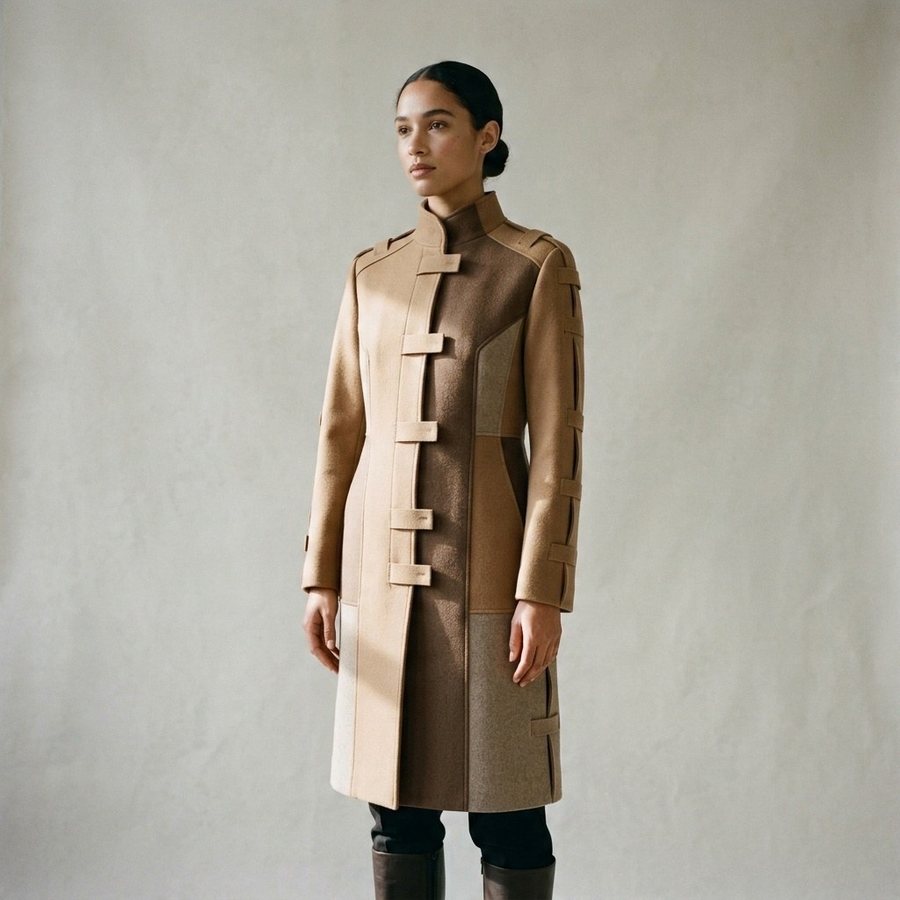
榫卯 · mortise and tenon: the tenon slides into the mortise, load pulls the joint tight.
As a coat: it closes without buttons.
That is Latent Heritage.
做成外套:不用纽扣也能扣合。这就是隐脉。
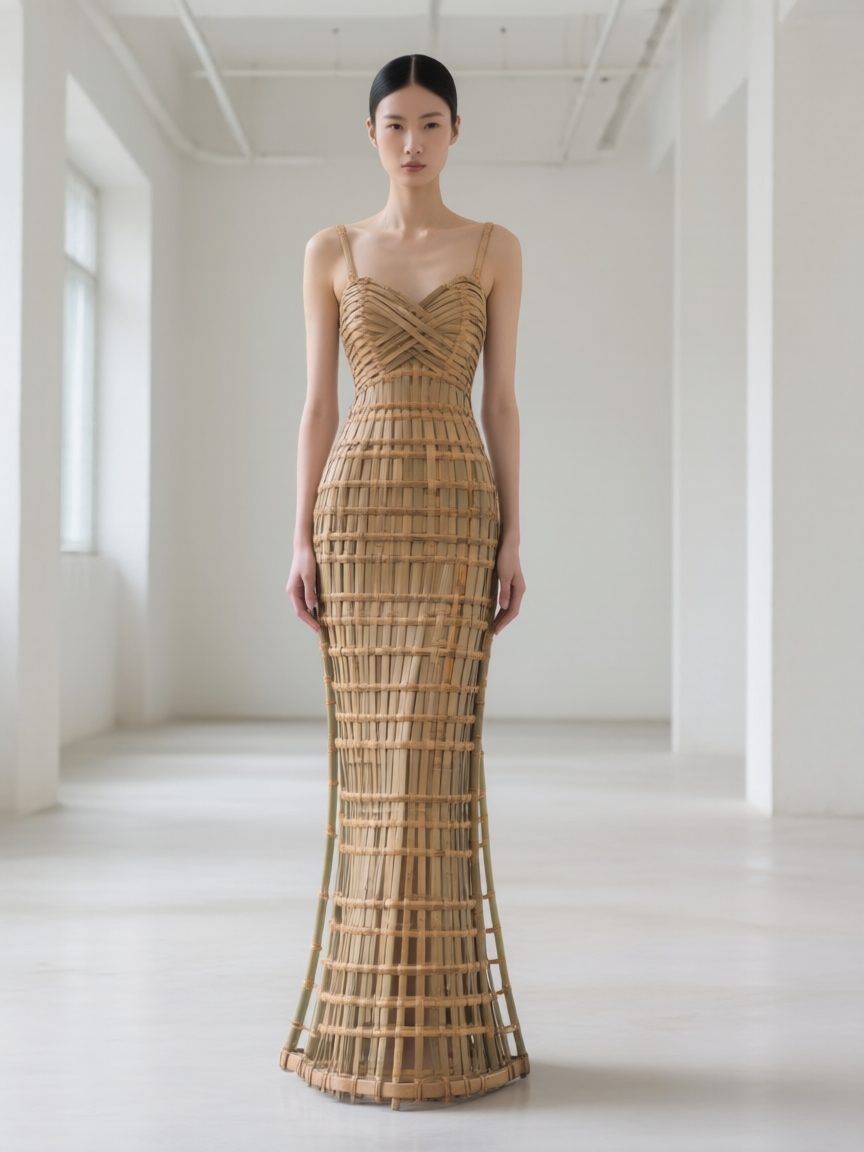
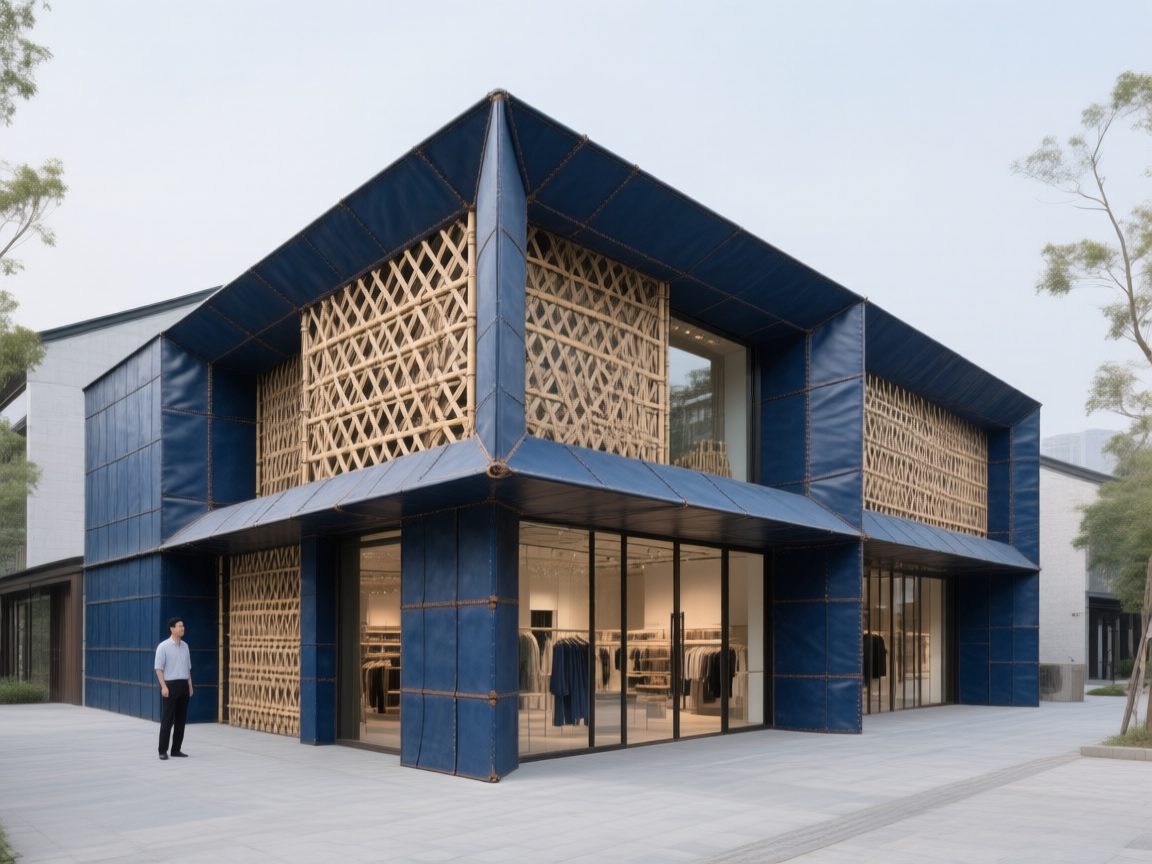
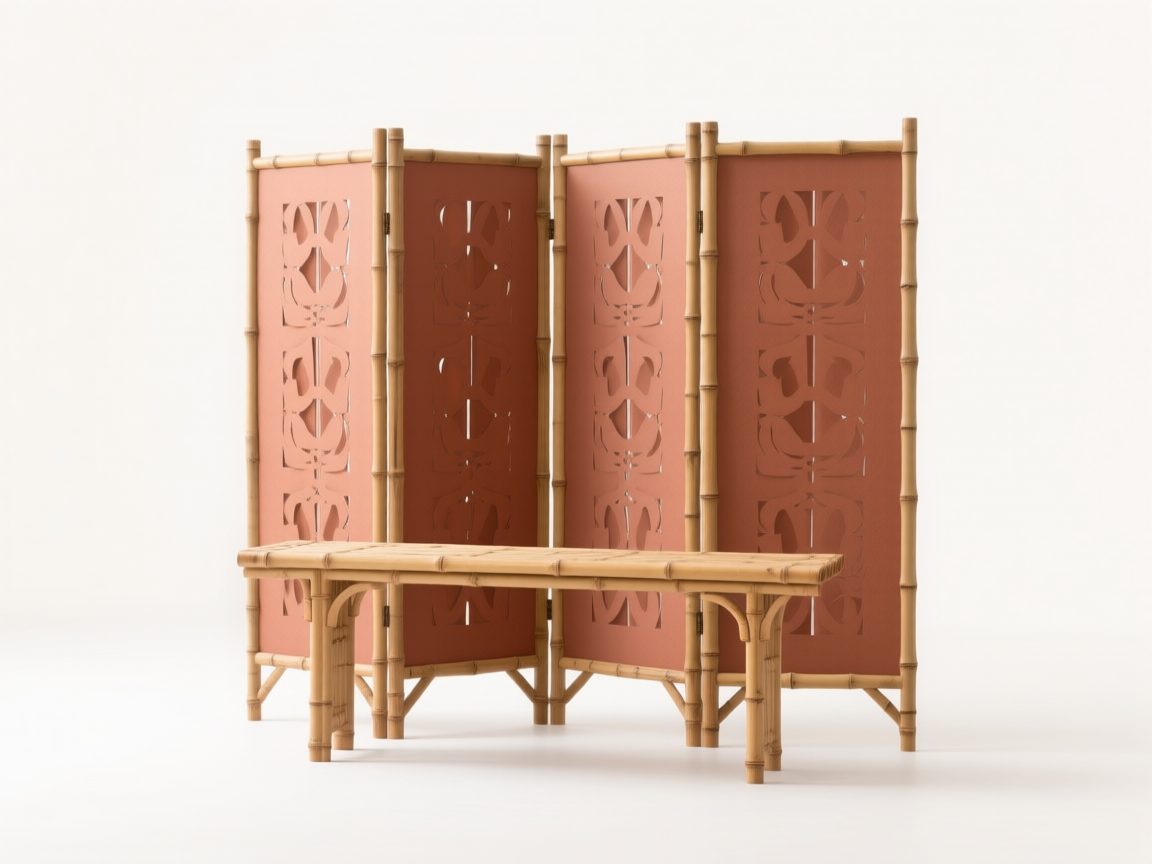
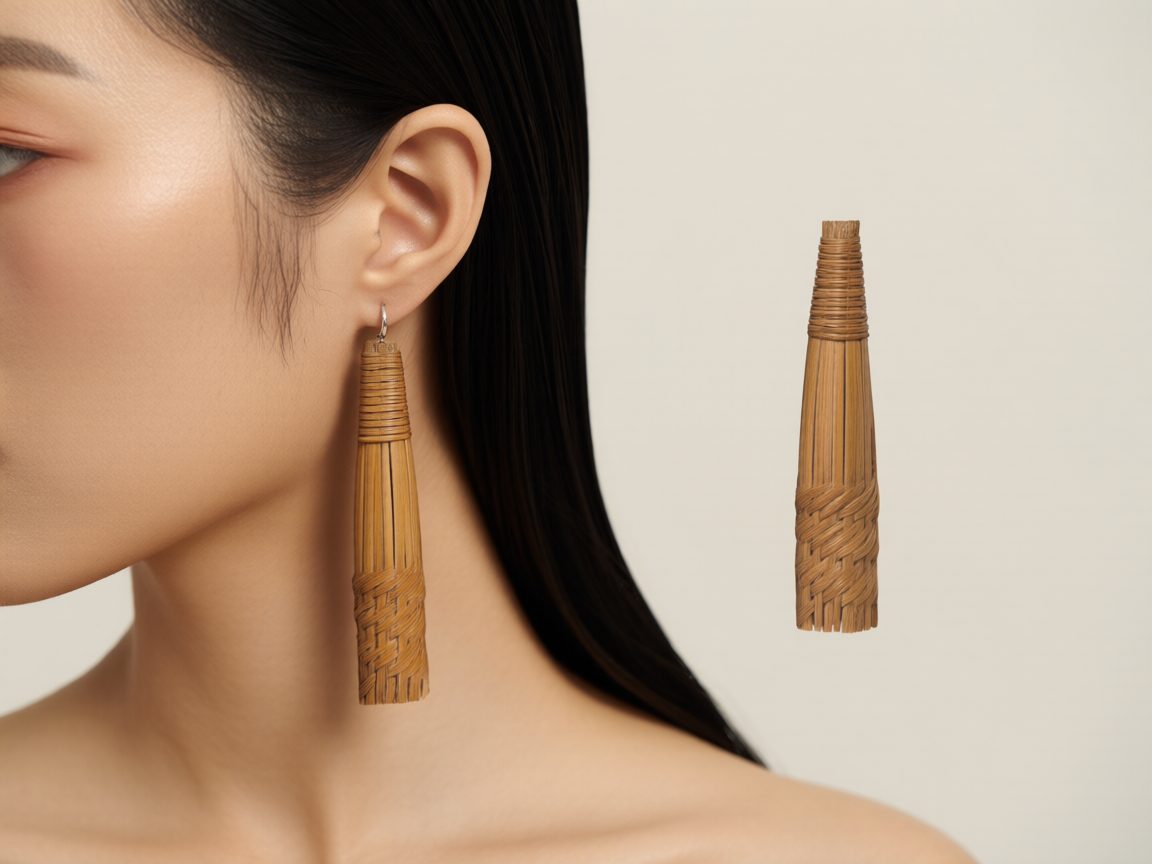
Bamboo weaving 竹编, three times.
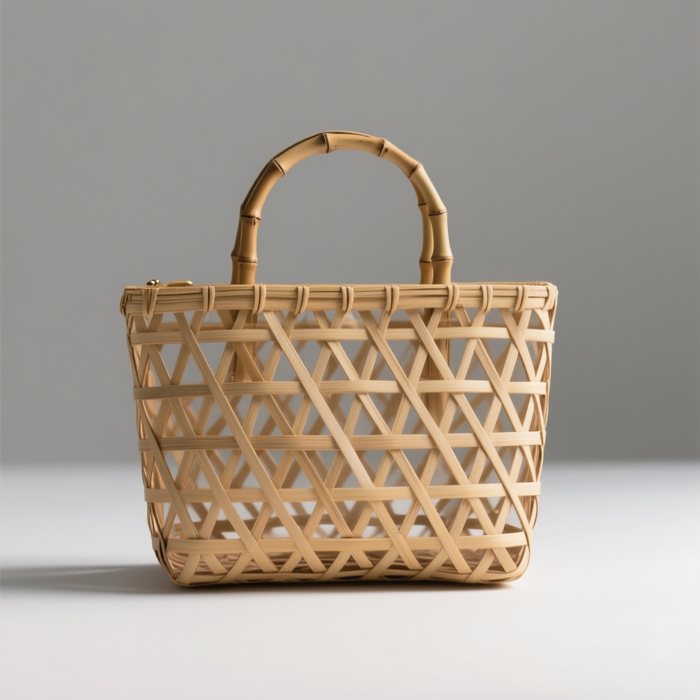
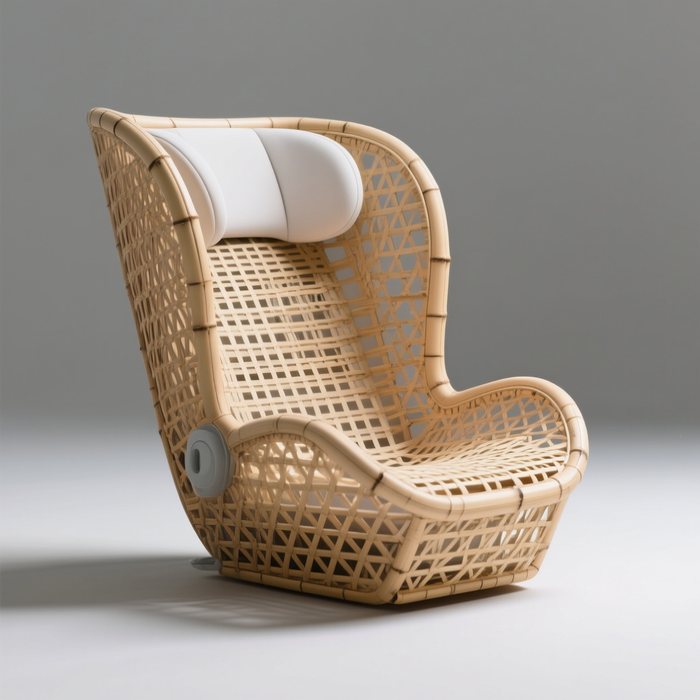
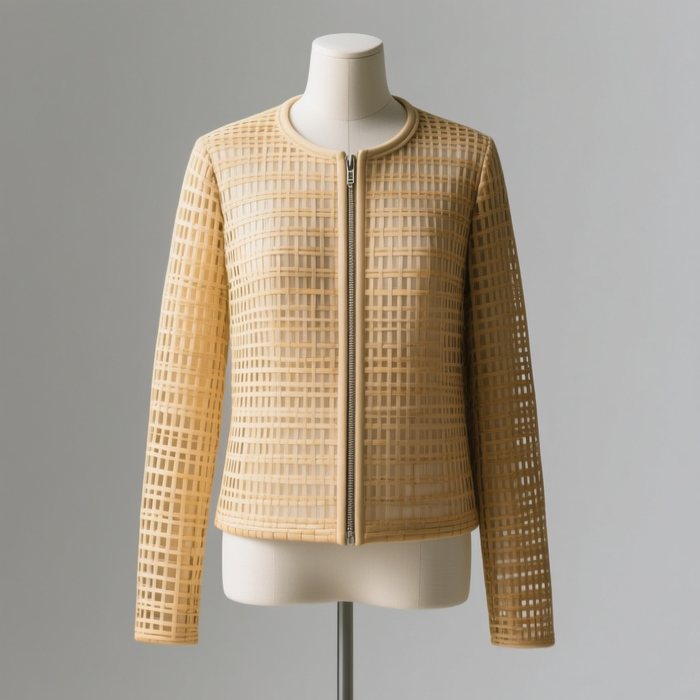
A handbag 手提包, three crafts.
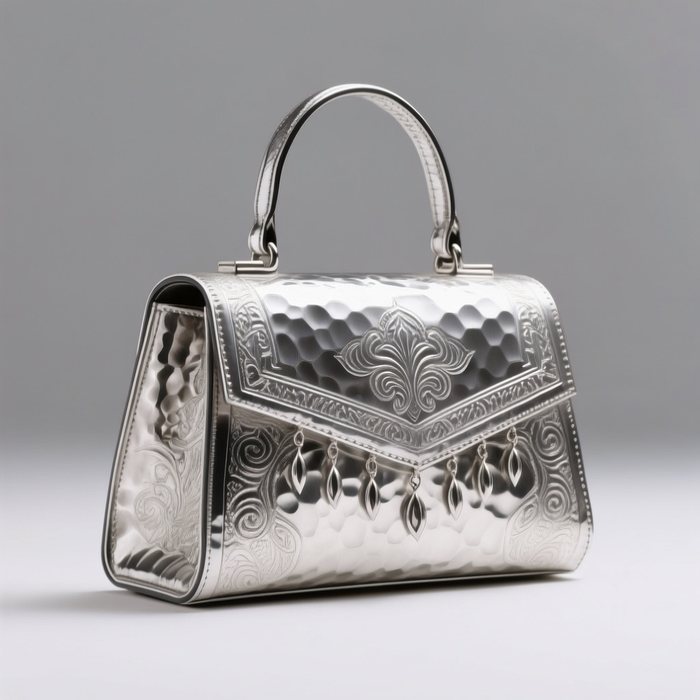
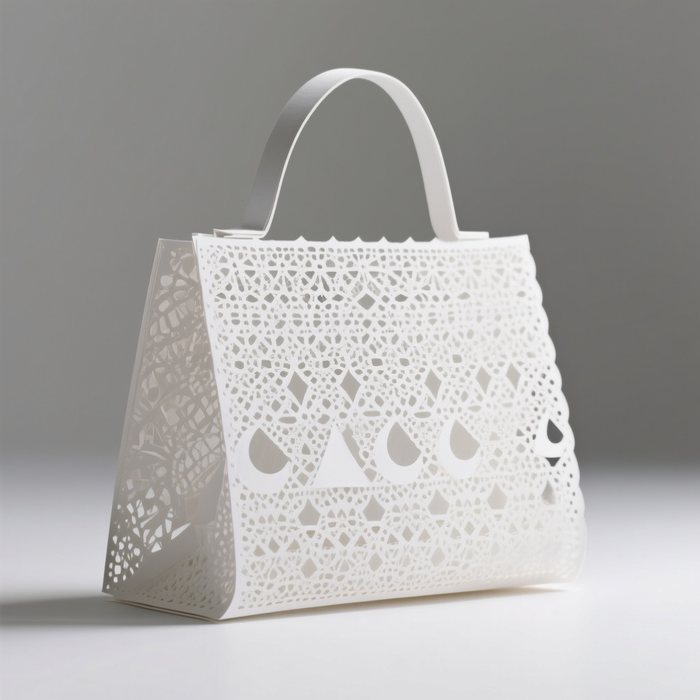
AI images, research only.
Latent Heritage is a university research project of HAW Hamburg and Donghua University Shanghai, running since April 2026.
We study whether the working logic of a craft, how it weaves, cuts, joins or suspends, can travel into new objects through AI, and how Chinese and Western viewers read the result.
We write down how 30 Chinese crafts work.
We teach our own AI models from that.
The designer sets how Chinese the result should look.
记录做法 · 训练模型 · 由设计师决定“中国感”的强弱
In detail, every image is built from four inputs.
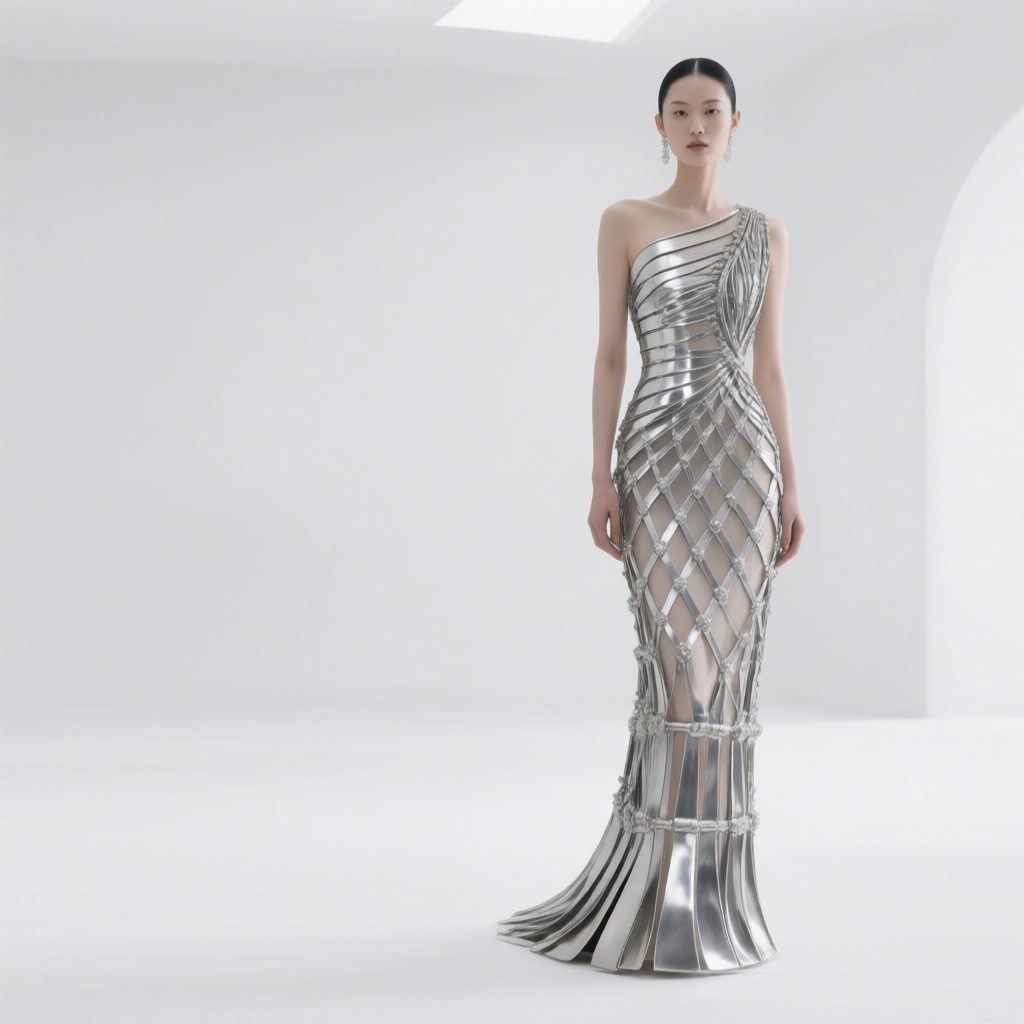
What the craft is made from: split bamboo, chased silver, wax-resist cloth, thread. A small AI model trained per craft, on permitted images only.
How the craft is built: weaving, folding, joining, locking, suspending. Given to the model as structure drawings and 3D models, never traced from photographs.
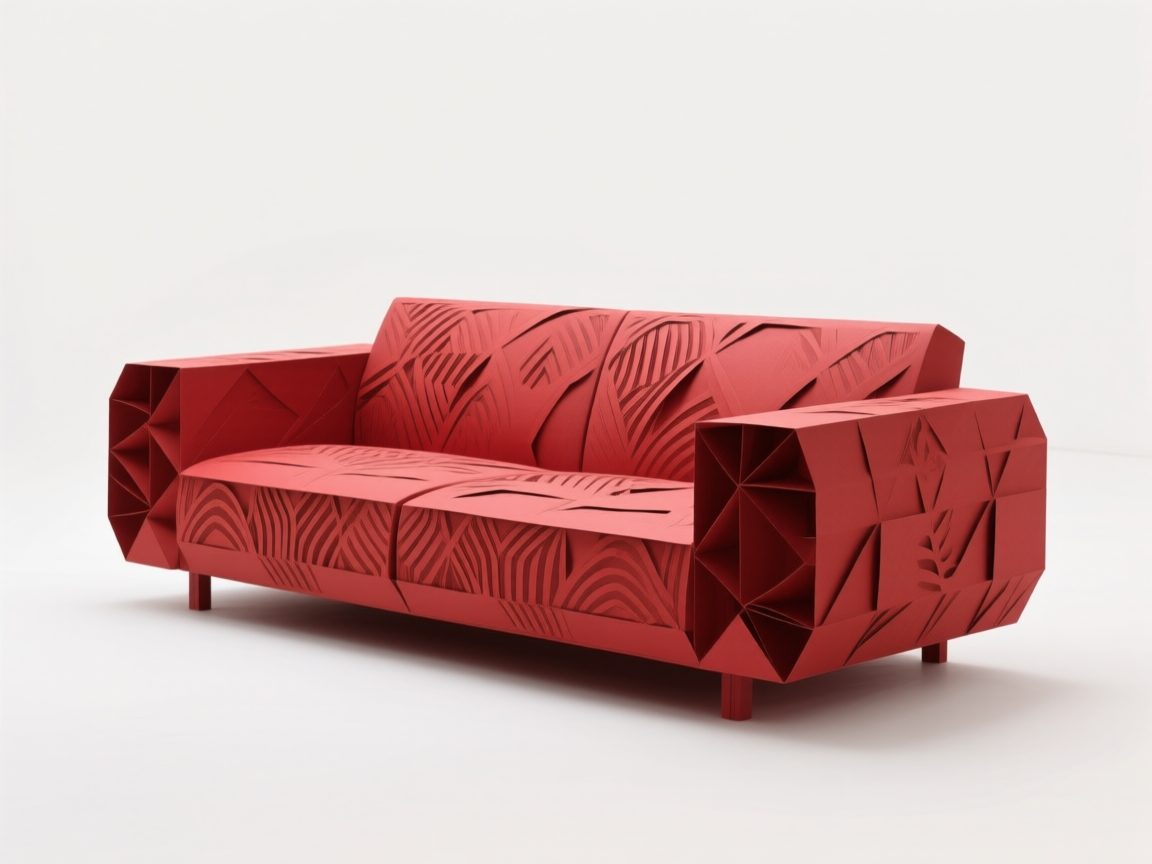
What is being made: a garment, a bag, a piece of furniture, a space. The object may change while the craft logic stays.
How visible the origin should be. Set by the designer, step by step, from structure only to an explicit motif.
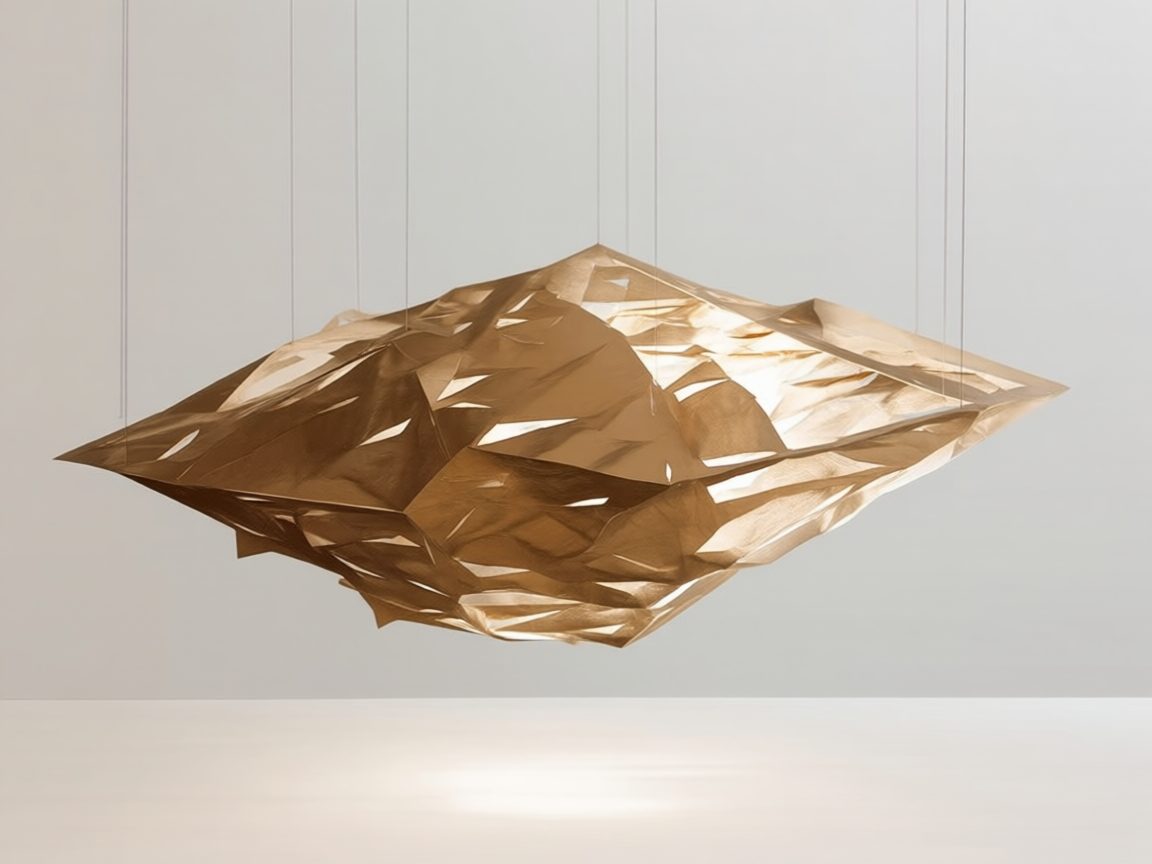
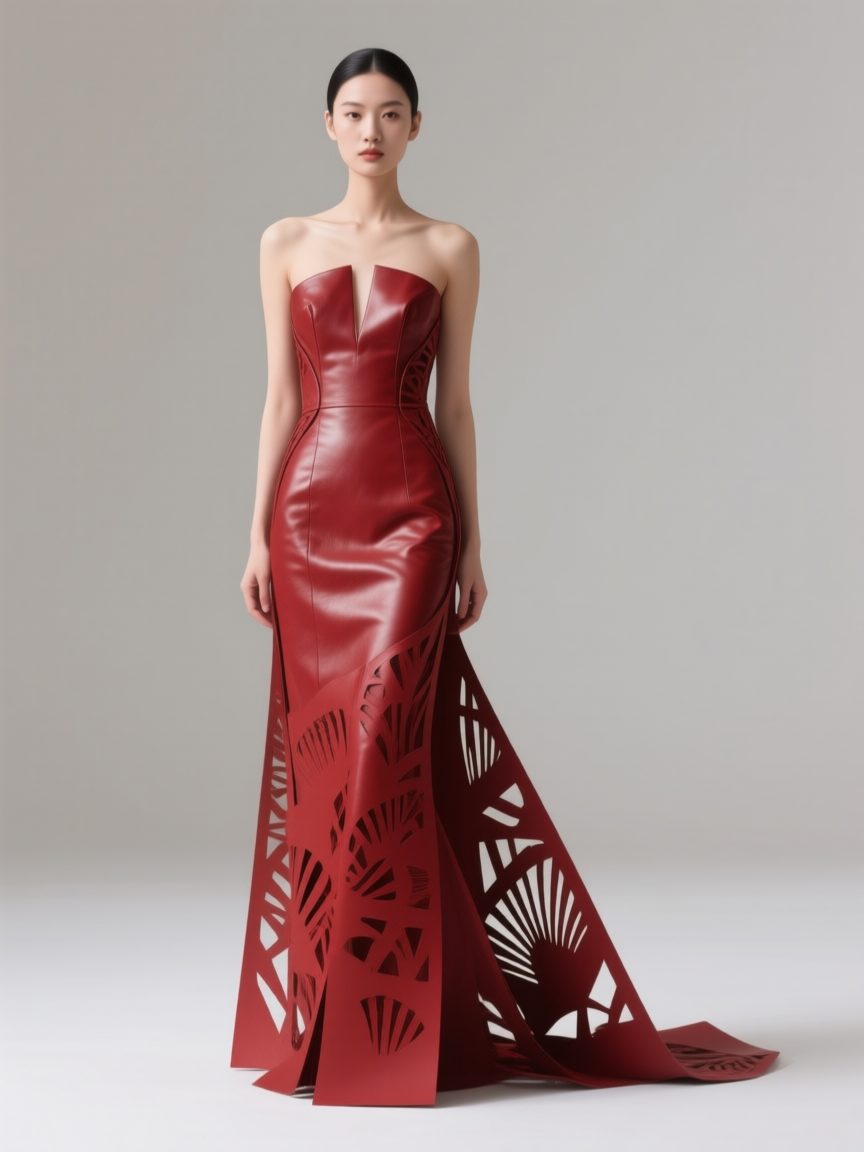
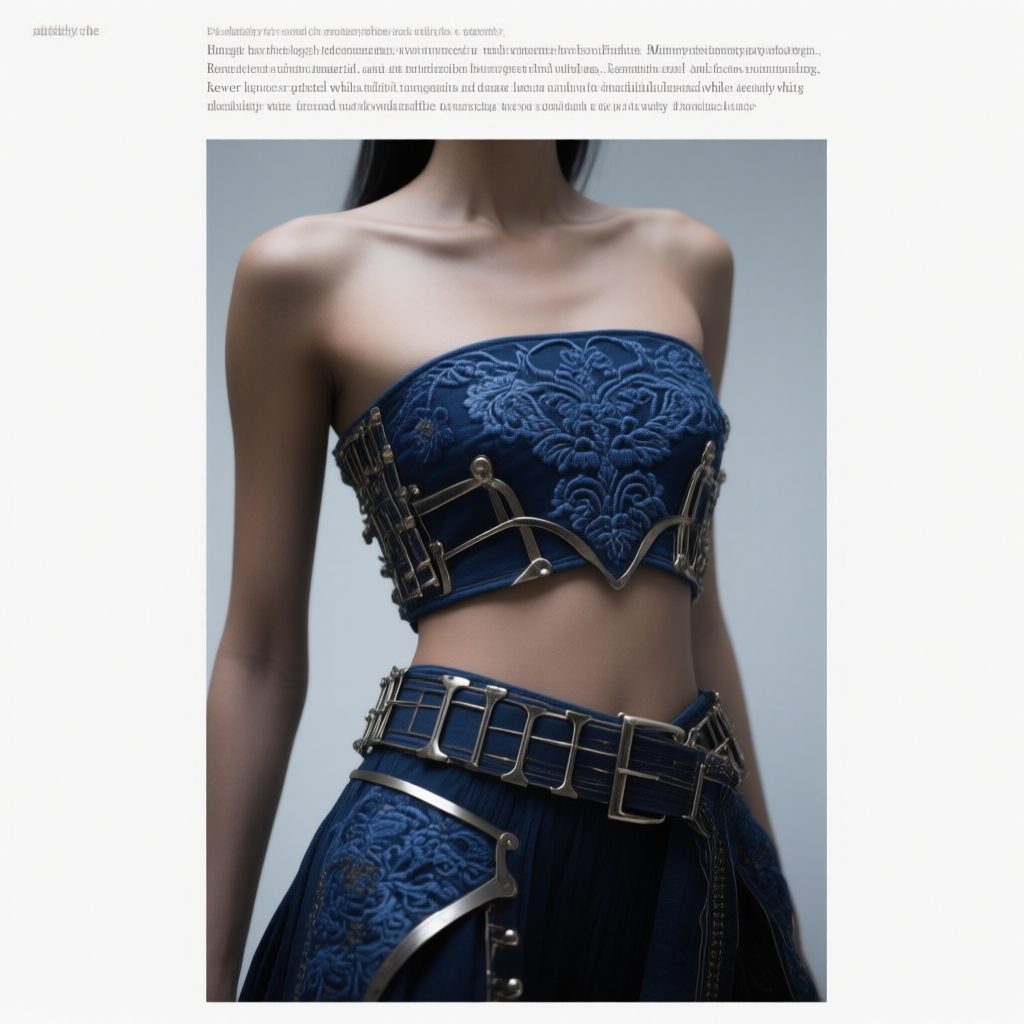
What connects these objects is not a shared visual style, but the grammar of making. Every image comes from our own registered AI system and is traceable to its sources and permissions. Research demonstrations, not products.
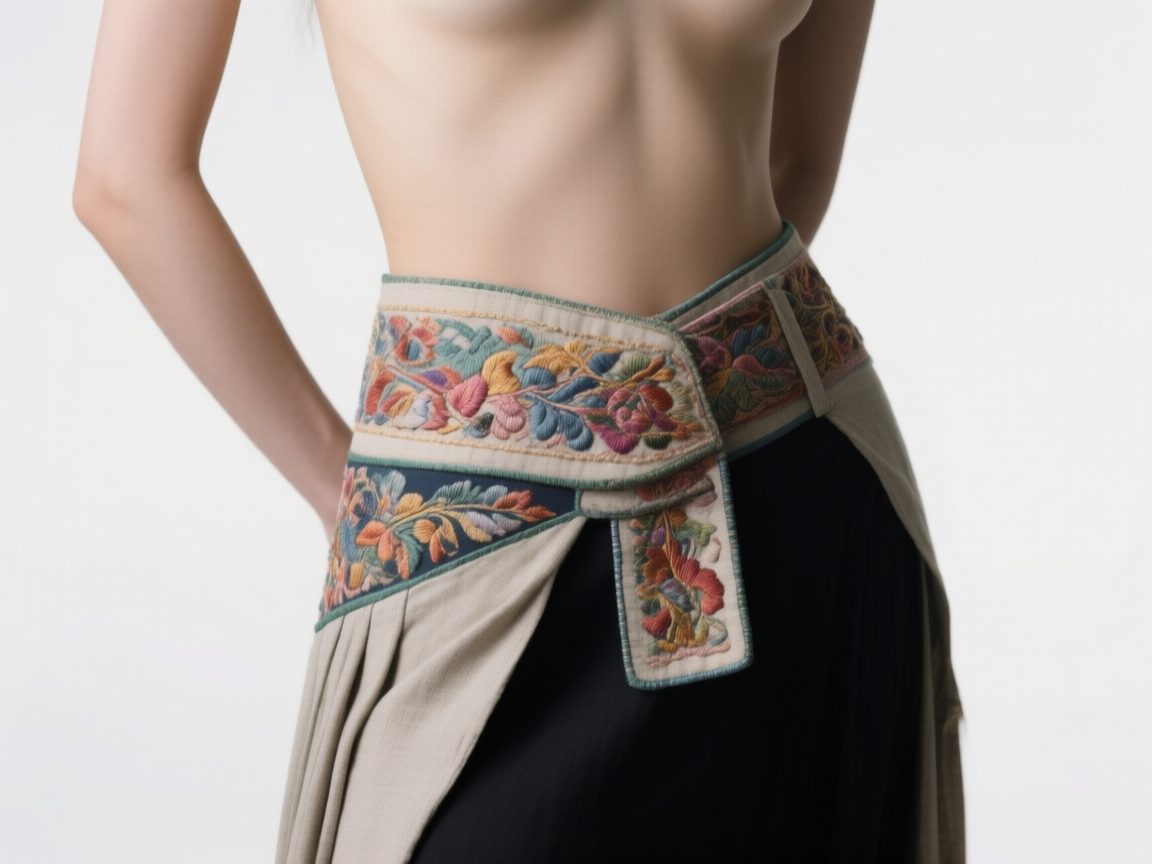

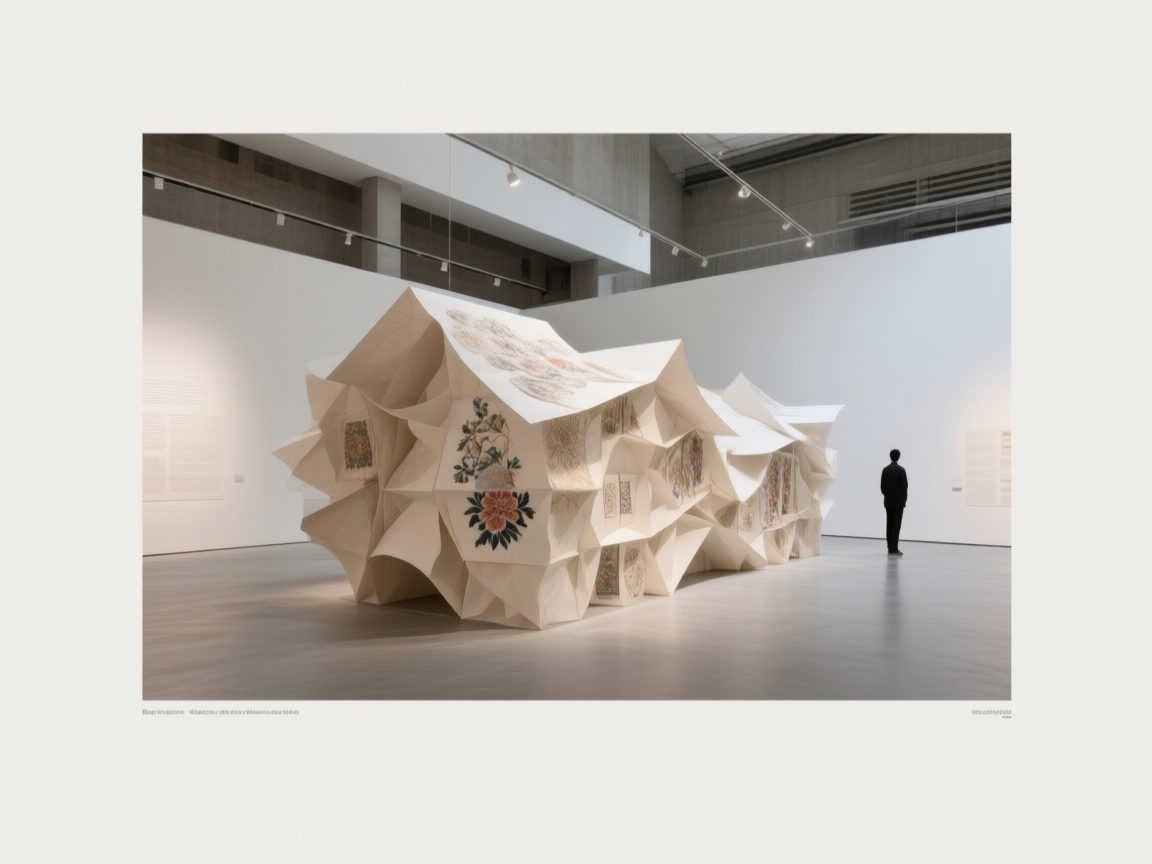
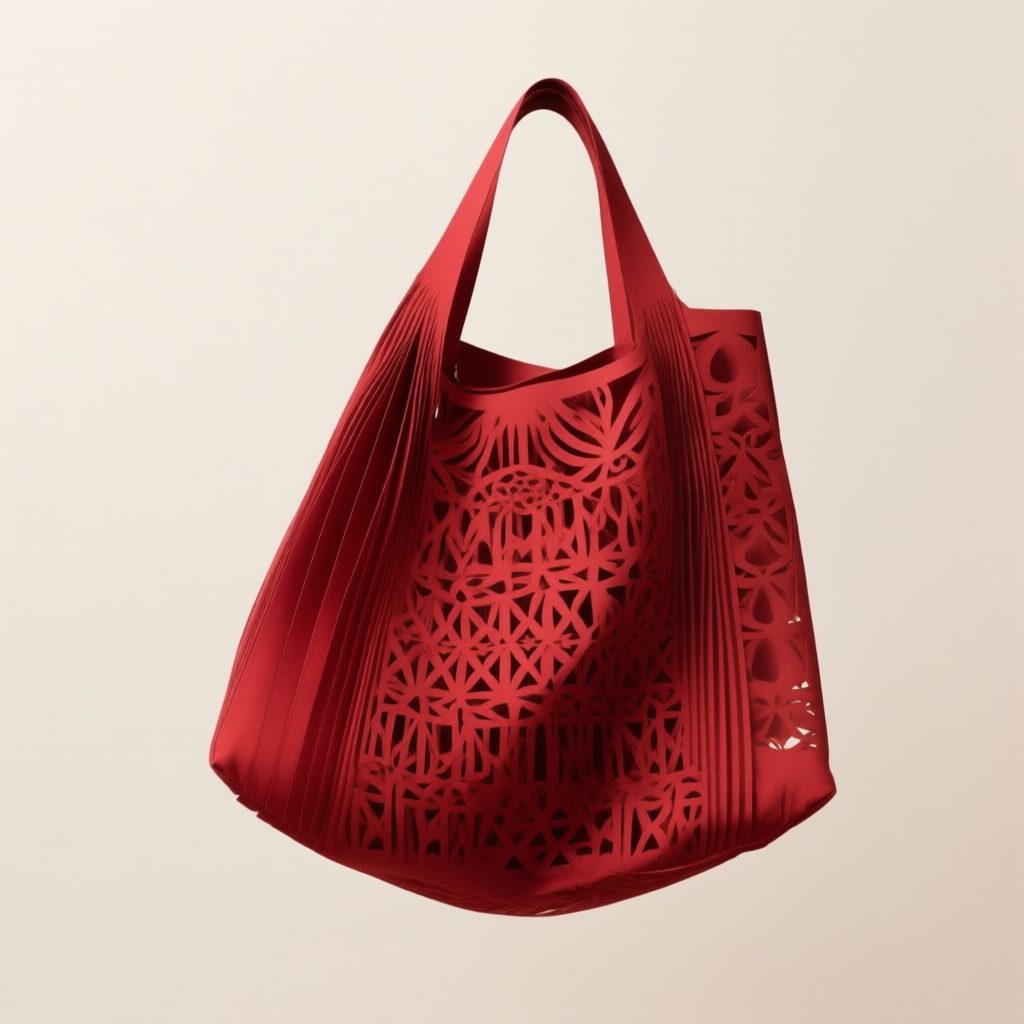
请手艺人为我们把关。
We do not work on screens alone. We keep checking our work against real craft, with makers and their materials.
我们不只在屏幕上工作,而是不断回到真实的手工艺中,与手艺人和他们的材料一起检验。
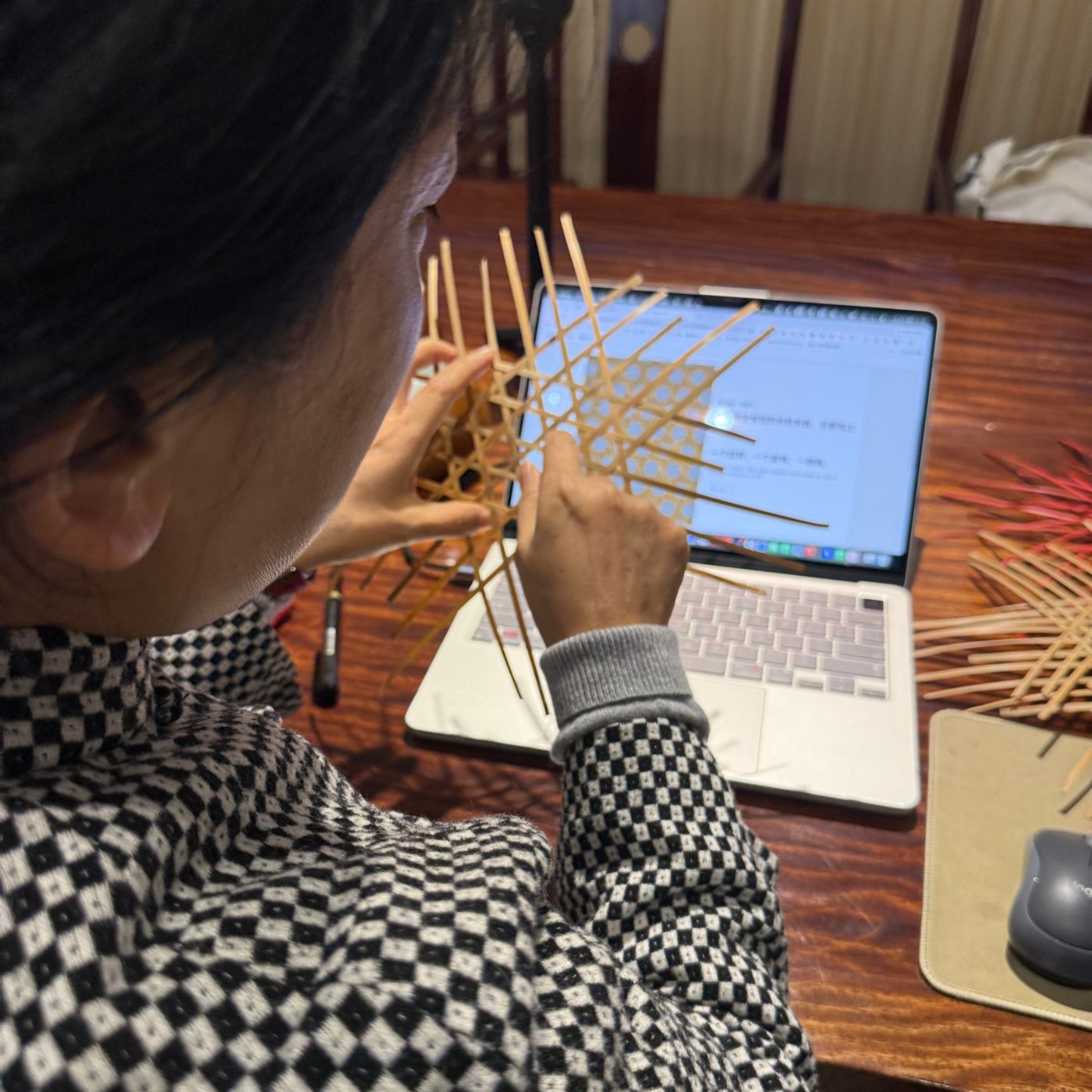
“The hexagonal weave is woven correctly, but the material does not look like bamboo.”“六角眼编的方法是对的,但是材料看上去就不是竹子。”
Her verdict on one of our generated images, 12 November 2026. We are now retraining the bamboo model. She has also named the basic techniques of her craft for us and woven first samples for the project.
这是她在2026年11月12日看了我们生成的一张竹编图像后的判断。我们正在重新训练竹编模型。她还为我们梳理了竹编的基本编法,并专门编了第一批小样。
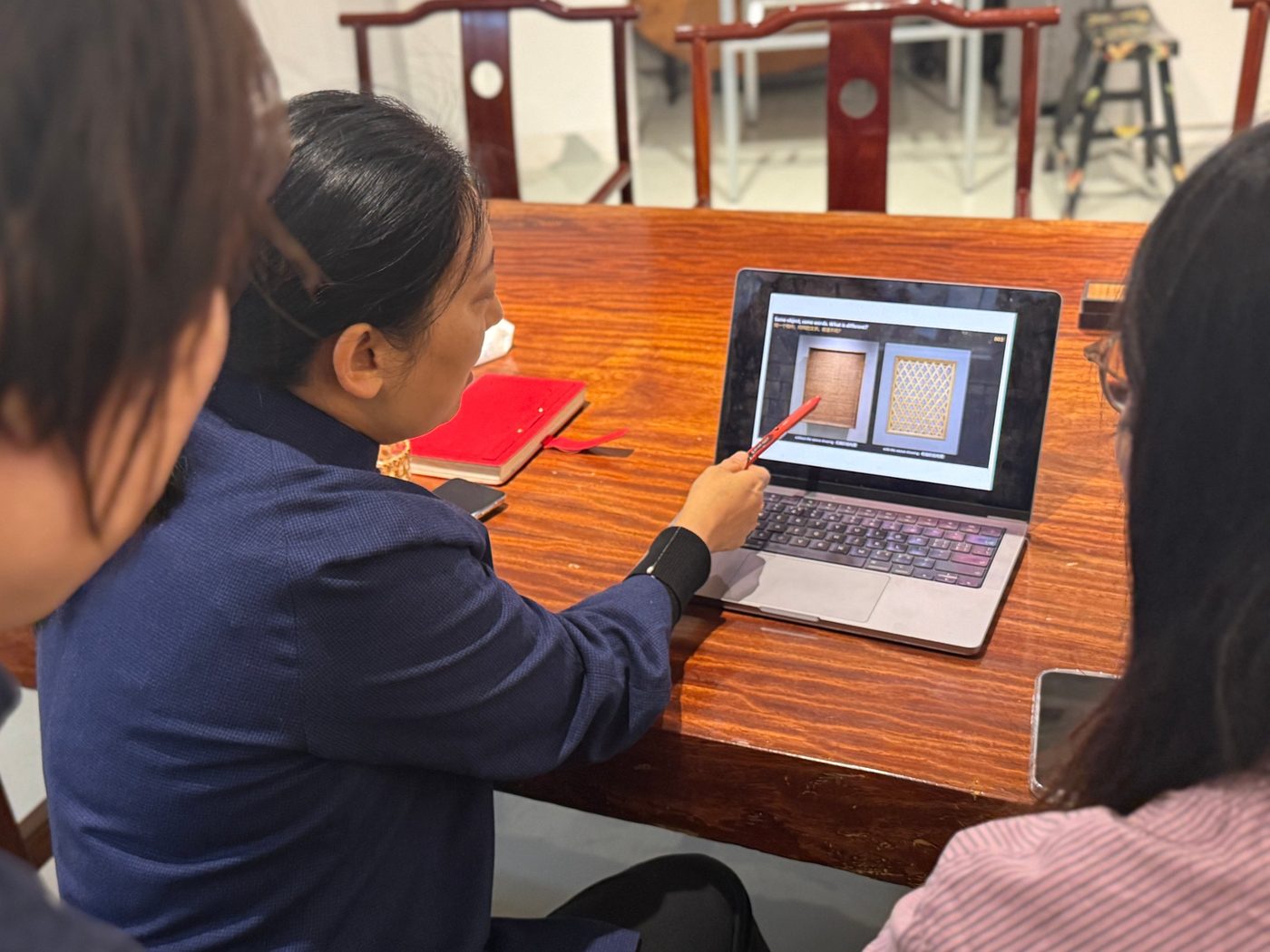
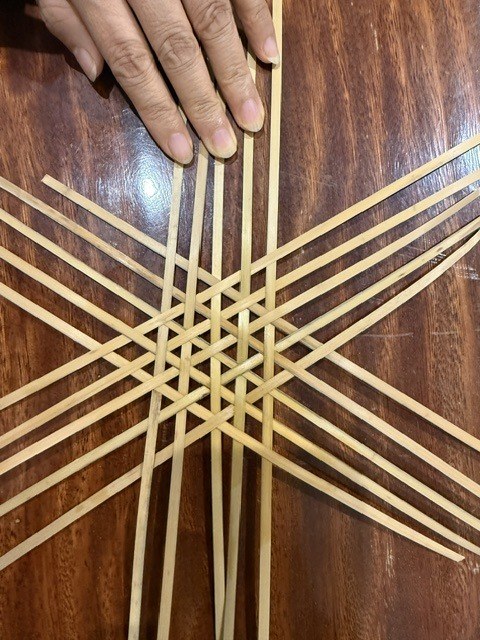
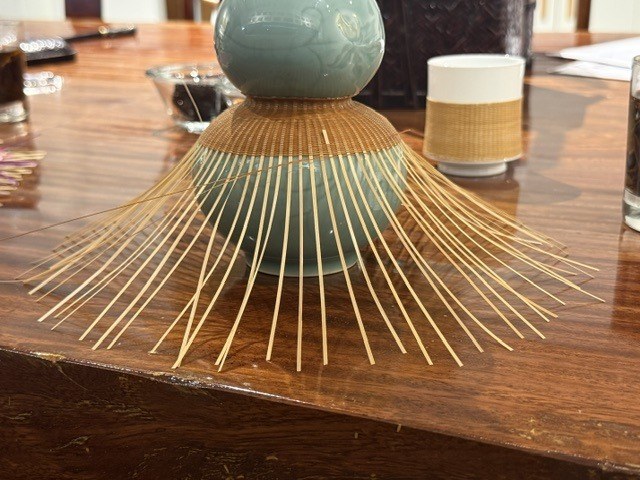
In Cheng Li’s workshop, Shanghai, 2026.
Do you practise a craft and want to tell us about it? We would like to hear from you.
您从事手工艺,愿意和我们聊聊吗?我们很期待。
Every research image has a documented source and permission record. Material enters only from public-domain collections, our own fieldwork photography, or images shared with a creator’s personal permission.
Source photo → documented dataset → training run → generation run → output. Each step is registered. Any output can be traced back to the material and the permissions behind it.
The current phase is university research, non-commercial. The database stays internal. Any later step would be a separate, explicit conversation with everyone whose material is involved.
The system proposes. People decide.
Go through a short series of generated images and give your judgement. It takes a few minutes, in English or Chinese. Participants receive a personal code for the survey app.
Register for the surveyIf you work in Chinese craft or design, we need your judgement: naming the moves of your craft, correcting our structure maps, telling us whether a generated result respects the craft’s real logic. Expert interviews and workshops are taking place in Shanghai now, and online.
Get in touchTeam members and invited guests: log in to Latent Heritage Research and Apps. There is no public registration beyond the survey.
给设计师的工具,给手工艺人的平台。
From the research, a practical tool can grow: new and genuinely inspiring design directions drawn from the intelligence of Chinese crafts, instead of the same clichés. AI widens the field, craft knowledge grounds it, the designer decides.
What you see here was built with very small means. To take it from a pilot to thirty crafts, we are looking for partners: in universities, in public programmes, in industry. We would be glad to talk.
Talk to usExpert advisor
Li Jun, Vice Dean, College of Fashion and Design, Donghua University
Project coordination
Zhang Juan (张娟, Karen Zhang), International Affairs Administrator, International Cooperation Office, College of Fashion and Design, Donghua University
Project lead
Prof. Peter Kabel
peter.kabel@haw-hamburg.de
China / creators
Shaw Qin
qinjuexiao@dhu.edu.cn
Latent Heritage is a research cooperation of HAW Hamburg (Hamburg University of Applied Sciences) and the College of Fashion and Design, Donghua University Shanghai.